Vibe coding can build your app in days, not weeks
AI coding tools compressed building a working SaaS from weeks to days. Here is how to use vibe coding without stalling in endless prompt loops.
How vibe coding compressed weeks into days
Two years ago, building a small paid SaaS from scratch meant burning two or three weeks before a single user could touch it. You wired up authentication, sketched database migrations, built CRUD forms, fought webhook signatures, and styled responsive layouts before you even tested whether anyone cared about the core idea.
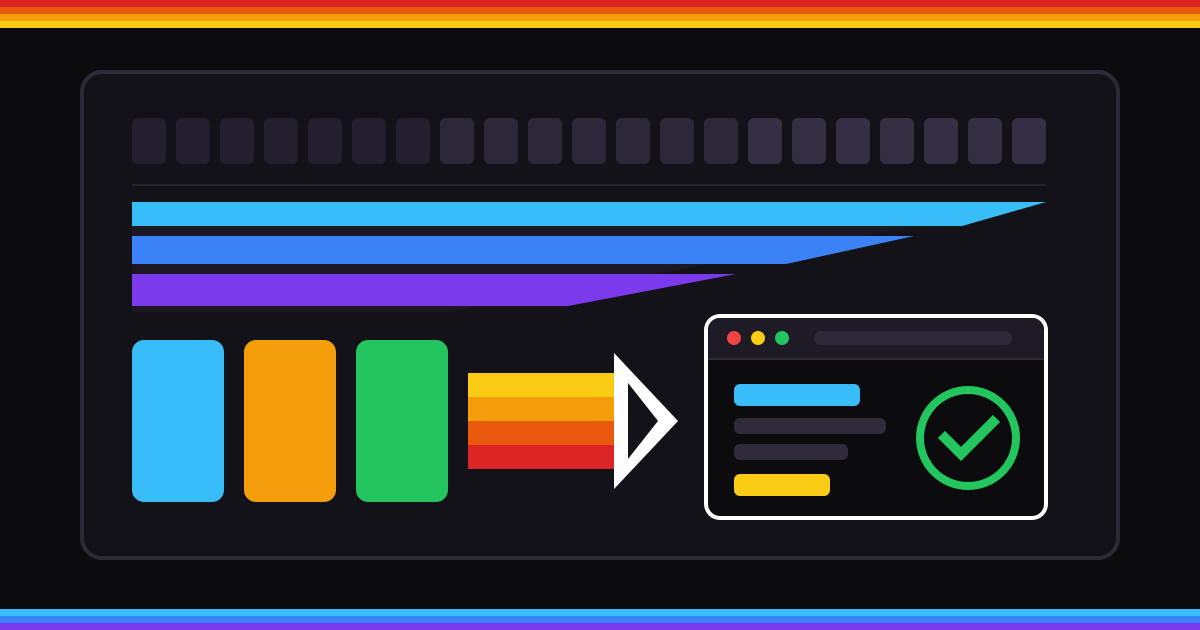
Vibe coding flipped that timeline upside down. With modern coding agents, a tight specification, and a clear data model, a solo founder can go from an empty repository to a deployed, payment-ready v1 in three to four focused days.
When building takes days instead of weeks, code is no longer the bottleneck. Deciding what to ship and putting a live checkout link in front of real users is.
What a realistic 3-day vibe-coded build looks like
The founders who actually ship in days do not prompt aimlessly from a blank chat window. They constrain the scope first, then let the agent sprint through the boilerplate:
- Day 1 — Spec, schema, and core loop: Write a one-page spec covering the single paid workflow, the database tables, and the exact success state. Generate the scaffolding, auth, and the main screen end to end.
- Day 2 — Real data and Stripe Checkout: Replace every stub with real persistence, wire up Stripe Checkout and webhook handling, and test the happy path plus the ugly edge cases.
- Day 3 — Polish, deploy, and launch: Cut anything that is not needed for customer number one, check mobile and dark mode, deploy to production, and put the live URL in front of people who have the problem today.
Notice what is missing from that schedule: custom design systems, multi-tenant role matrices, and six settings tabs nobody asked for. Vibe coding is fastest when the target is sharp.
The hidden trap: faster building makes drifting easier
Speed has a catch. When generating a new screen takes thirty seconds, it becomes dangerously easy to spend a week endlessly regenerating layouts, adding speculative features, or starting four fresh prototypes in a row without finishing any of them.
- Prompting in circles on cosmetic details instead of shipping the working checkout flow.
- Spinning up a brand-new repo every weekend because day one feels more exciting than distribution.
- Leaving Stripe in test mode because the app feels 'almost ready' for another round of tweaks.
- Letting generated code pile up without ever verifying the deployed URL as a real paying customer would.
Why vibe coding pairs naturally with a 30-day ship cycle
Inside shippibilitybuddies, Blue and Red seats ship 12 paid SaaS apps a year — one every 30 days (with Yellow at 9 a year and Green at 6). Before AI coding tools, a 30-day cycle meant spending twenty-five days building and five days scrambling to launch.
With vibe coding, that ratio flips. You can ship a working, live, Stripe-connected product in the first week, pass two-founder peer verification, get listed in the public directory, and still have three full weeks to market it, fix real customer friction, and see if it has legs toward $10k MRR.
Daily voice stand-ups keep the speed honest. When you tell other active builders out loud what you are shipping today, you stop refactoring in circles and start pushing to production.
Build it in days, then put a checkout link on it
Pick one narrow problem you can describe in two sentences. Give yourself three days to vibe-code the working v1, wire up live payments, and ship it where real buyers can click pay. Then repeat on a schedule until one of your products breaks out.