Inside our Discord stand-up bot (and how to run a great stand-up)
How we built a deterministic voice stand-up facilitator on Bun and Discord — plus a practical guide to giving sharp 3-minute founder updates.

Why we built a dedicated stand-up bot
Async text stand-ups die in two weeks. People paste vague bullet points, stop reading each other's updates, and eventually mute the channel. Live voice stand-ups work — but only if someone starts on time, keeps turns moving, and tracks who actually showed up across every time zone.
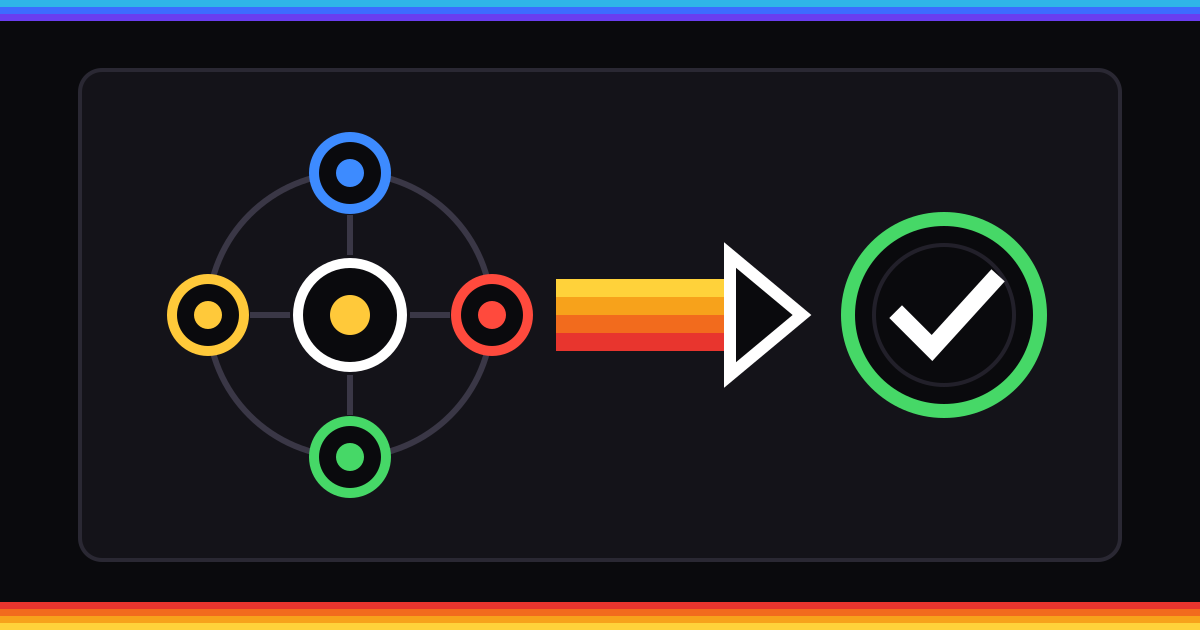
Instead of asking volunteer moderators to host four calls a day at 00:00, 06:00, 12:00, and 18:00 UTC across four color groups, we built a dedicated Bun and discord.js facilitator service that runs every stand-up automatically.
Architecture: a pure finite state machine at the core
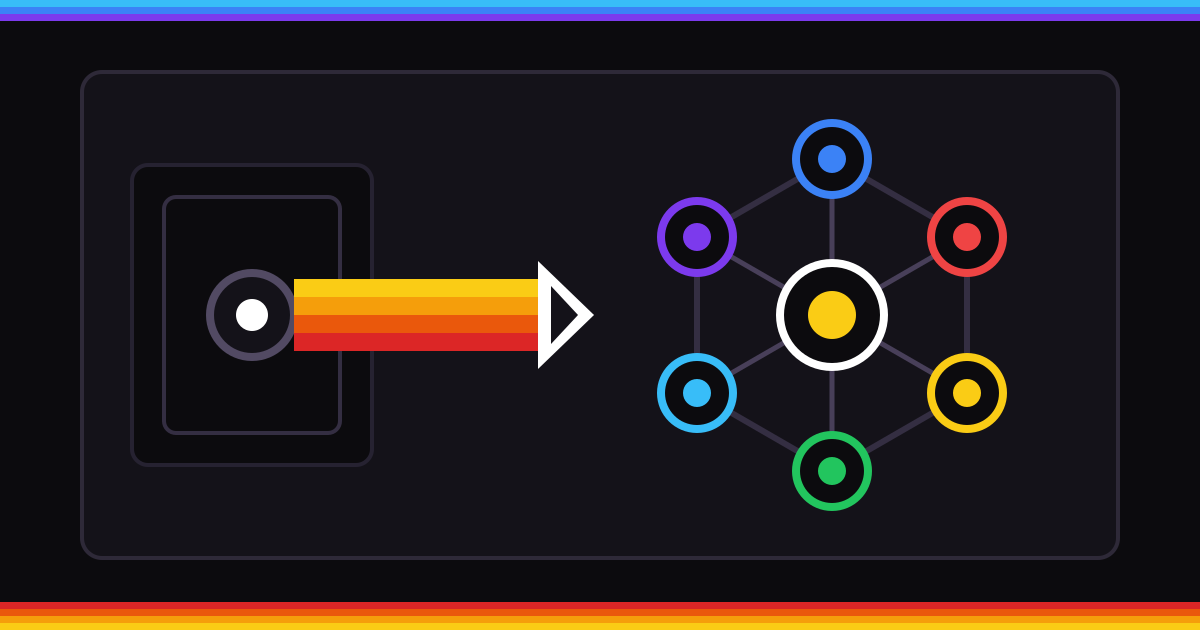
Discord voice bots are notoriously fragile when timers, WebSocket reconnects, and database writes are tangled together. We solved that by isolating the entire stand-up flow inside a pure, clock-injected state machine.
Every event — a member joining voice, clicking Volunteer, hitting Done, requesting a 5-minute extension, or a timer tick — passes the current state and an explicit `now: Date` into the reducer. It never touches the network, `Date.now()`, or `Math.random()` (speaker order uses a seeded `mulberry32` PRNG). Instead, it returns the next state and a list of declarative actions for a thin Discord adapter to execute:
- 30-second volunteer window: anyone who wants to go first clicks Volunteer; everyone else is shuffled into a fair speaking queue.
- 5-minute turns with a 1-minute warning: pre-recorded voice clips announce each speaker, warn when 60 seconds remain, and allow one optional 5-minute extension.
- Live control message: a single Discord message updates in place with who is speaking, who is up next, and Done / Extend buttons.
- Deterministic tests: because the machine is pure, we can simulate an entire 30-minute multi-founder stand-up in milliseconds inside unit tests.
Measuring talk time without recording everyone
One of our earliest design rules was privacy by default. You should not have to be recorded just to prove you attended a stand-up.
To track attendance, the bot listens to Discord's speaking start/end gateway events for the active speaker and feeds timestamps into a tiny interval-math tally (`talk-time.ts`). No audio buffer is touched. At the end of a turn, we know exact milliseconds spoken (`spoke_ms`) without storing a single byte of voice.
Fair attendance evaluation with sweep-line interval math
Voice connections drop, Wi-Fi blips happen, and sometimes you show up to a slot where nobody else booked. A naive "present at minute 15" check would constantly misjudge real founders.
Our attendance evaluator in `@shippibility/shared` runs a sweep-line algorithm over every `voice_sessions` row overlapping the 30-minute window:
- Merge overlapping reconnect rows per user so brief drops never double-count or zero out your time.
- Compute exact multi-human overlap vs. solo time, ignoring bots and other color channels.
- In facilitated mode, a completed turn with at least 30 seconds of speaking counts as attended — even if you were the only founder in the slot and the facilitator wrapped up in two minutes.
- If you are alone and nobody joins for 5+ minutes, you earn `ghosted_attended` so another member's no-show never punishes you.
- If a facilitator ever fails mid-call, the evaluator falls back cleanly to presence-only verification so nobody gets an unfair miss.
How to actually do a great founder stand-up
Good tooling gets you into the room on time, but the value of a stand-up comes from what you say once the mic is yours. The best solo founders in shippibilitybuddies keep their update under three minutes and hit three concrete points:
- What you shipped since your last stand-up: be specific. "Deployed Stripe checkout and sent 12 cold DMs" beats "worked on backend stuff."
- The one thing you will finish before your next stand-up: pick a verifiable outcome you can prove on the next call, not a vague wish list.
- Where you are stuck right now: name the exact blocker — pricing page copy, trial conversion, auth bug, distribution channel. Saying it out loud turns a 4-day solo spiral into a 2-minute tip from a teammate who solved it last month.
The most important stand-up to attend is the one where you feel like you got nothing done. Showing up anyway breaks the spiral.
Skip the long backstory, skip apologizing for a slow day, and click Done as soon as you've said what matters. Tight updates respect everyone's clock and keep the whole group shipping toward 12 apps in 12 months and $10k MRR.