Why reaching $10k MRR is harder than $100k MRR
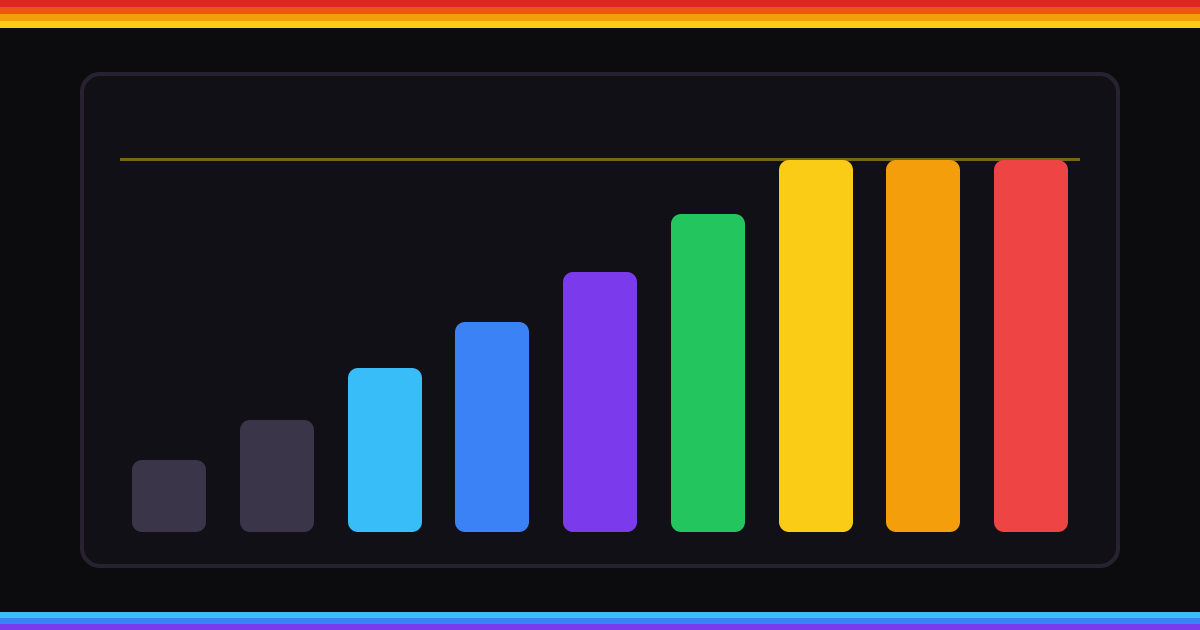
Going from $0 to $10k MRR means proving strangers will pay you from scratch. Going from $10k to $100k is scaling what already works.
The $0 to $10k MRR wall is a completely different game
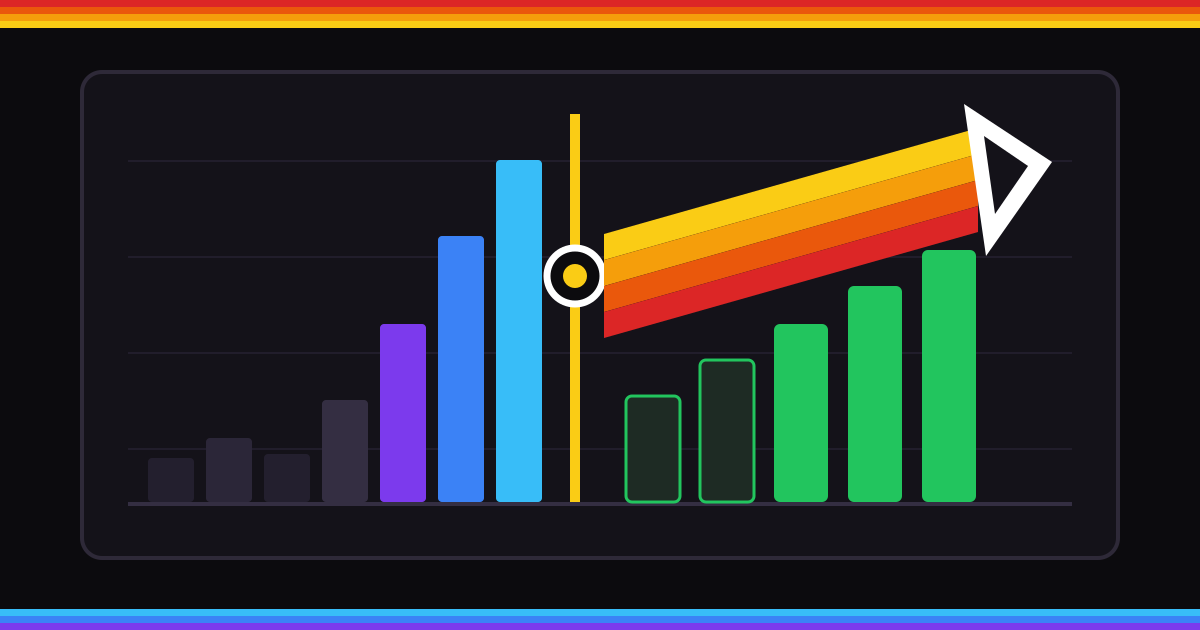
On paper, $100k in monthly recurring revenue looks ten times harder than $10k MRR. Ask almost any founder who has crossed both milestones and they will tell you the opposite: getting from $0 to $10k MRR is the hardest stretch in the entire journey.
At $0 MRR, you have no proof that anyone wants what you built, no proven acquisition channel, no retention curve, and no revenue buying your time back. Every piece of the business is still a guess.
Going from $0 to $10k MRR is searching in the dark. Going from $10k to $100k MRR is pouring fuel on a fire that is already burning.
Four reasons $0 to $10k breaks most solo founders
Before $10k MRR, the difficulty is not technical — it is ambiguity combined with silence:
- You have to solve product, positioning, pricing, and distribution all at once: When nobody buys at $0 MRR, it is rarely obvious which of those four is broken.
- The emotional trough is deepest when revenue is tiny: Pushing updates for weeks while sitting at $180 MRR tests your conviction far more than optimizing a funnel that already brings in $25k a month.
- Every early customer is hand-cranked: There is no word-of-mouth flywheel, no compounding search traffic, and no brand trust doing the heavy lifting for you.
- Time is tightest before revenue arrives: Most founders are fighting for $10k MRR on nights, weekends, or shrinking savings while every delay feels expensive.
What changes the day you cross $10k MRR
Once a product crosses $10k MRR across real paying customers, the nature of the work flips from invention to iteration:
- Customers pull the roadmap: Instead of guessing what to build next, paying users tell you directly what is worth upgrading for.
- You already have a working channel: Doubling down on a channel that produced $10k MRR is dramatically easier than finding your very first channel from scratch.
- Cash flow buys back your time: $10k MRR funds full-time focus, better tooling, targeted experiments, or contractor help on bottlenecks.
- Small improvements compound fast: Tightening onboarding, adding annual plans, raising prices for new cohorts, or cutting churn by two points adds thousands of dollars a month.
How to actually clear the $10k MRR wall
Because $0 to $10k is a search problem, the worst strategy is spending a year polishing one unproven idea in private. The reliable strategy is taking more real, payment-ready shots on a fixed schedule until you find genuine pull.
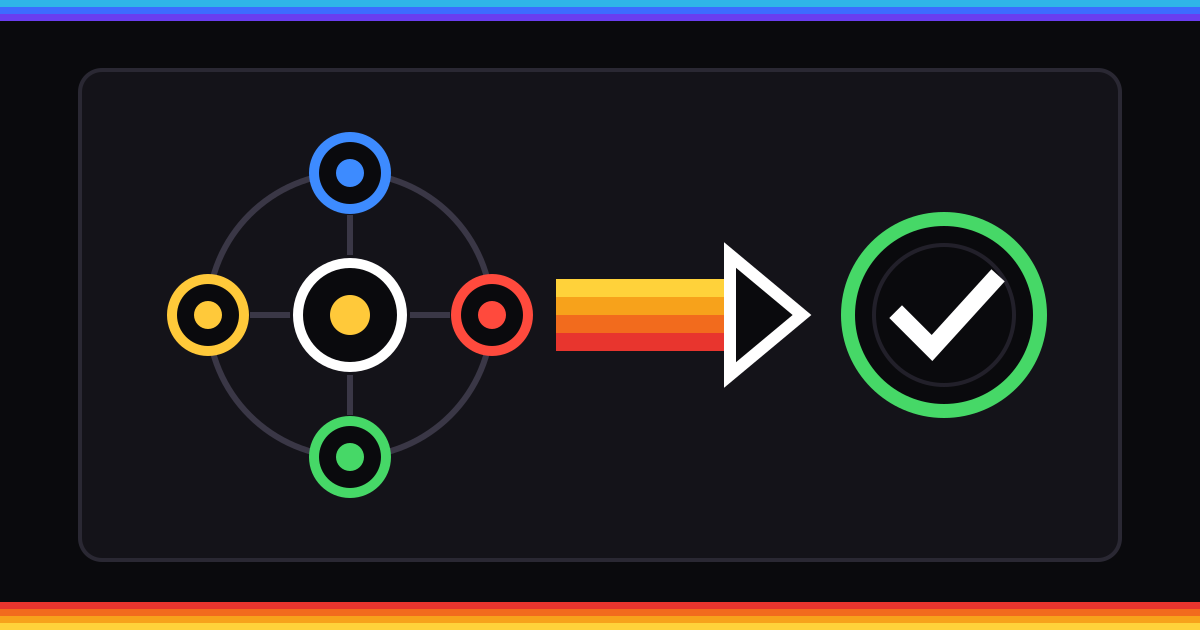
That is why shippibilitybuddies is structured around real shipping cadences (12 paid SaaS apps a year for free Blue and Red seats, 9 for Yellow, 6 for Green), daily voice stand-ups across every time zone, two-founder peer verification on live checkouts, and verified Stripe revenue tracking. You compress the search phase instead of spending years stuck at $0.
Do not climb the hardest part alone
Once you hit $10k MRR, momentum starts working in your favor. Until then, structure and peers are what keep you shipping through the quiet months.